Maintenance
Car Brake Problems: Warning Signs, Common Causes and When to Get Them Checked
Learn the common signs of car brake problems, what can cause them, which symptoms need attention and how Repair It can help you find a suitable garage.
What Are the Common Signs of Car Brake Problems?
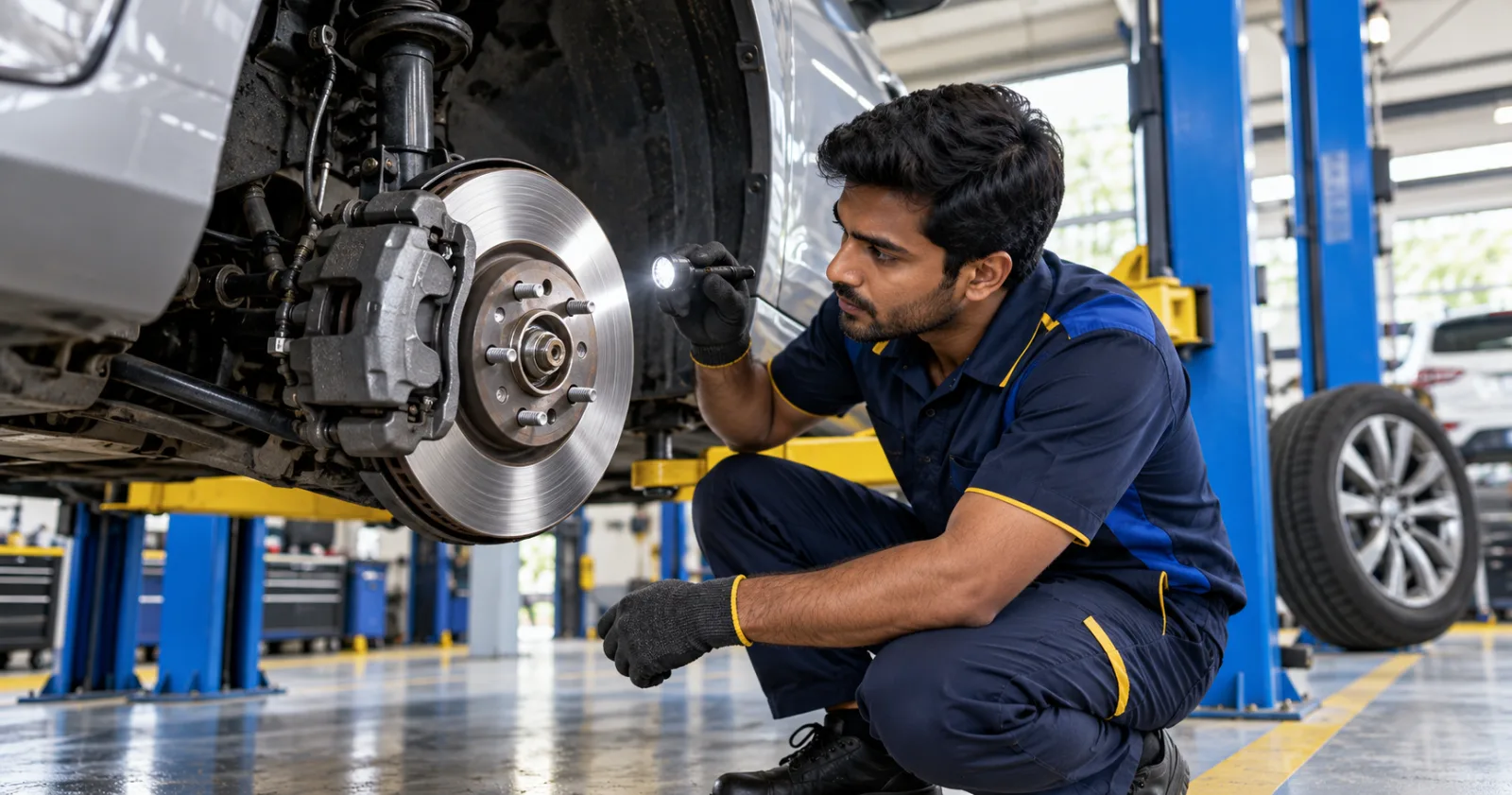
Your car's braking system consists of several components that work together to slow and stop the vehicle. Changes in braking feel, sound or performance can indicate that one or more components need attention.
Squealing or Grinding Sounds
A high-pitched squealing sound when braking can sometimes indicate worn brake pads. Grinding sounds can point towards more advanced wear and should be inspected promptly.
The exact cause can vary, so a technician should inspect the braking system rather than relying on sound alone.
The Brake Pedal Feels Soft
A brake pedal that feels softer than usual or requires more travel before the brakes respond should be checked.
Brake fluid, air in the braking system, leaks or other brake-system issues can affect pedal feel.
The Car Pulls to One Side While Braking
If the vehicle moves towards one side when you brake, there could be an issue involving the brake components, tyres, suspension or wheel alignment.
A proper inspection can help determine the cause.
Steering Wheel Vibrates While Braking
Vibration through the steering wheel during braking can be associated with brake disc or other component issues. It is worth having the system inspected if the vibration keeps occurring.
Squealing or Grinding Sounds
A high-pitched squealing sound when braking can sometimes indicate worn brake pads. Grinding sounds can point towards more advanced wear and should be inspected promptly.
The exact cause can vary, so a technician should inspect the braking system rather than relying on sound alone.
The Brake Pedal Feels Soft
A brake pedal that feels softer than usual or requires more travel before the brakes respond should be checked.
Brake fluid, air in the braking system, leaks or other brake-system issues can affect pedal feel.
The Car Pulls to One Side While Braking
If the vehicle moves towards one side when you brake, there could be an issue involving the brake components, tyres, suspension or wheel alignment.
A proper inspection can help determine the cause.
Steering Wheel Vibrates While Braking
Vibration through the steering wheel during braking can be associated with brake disc or other component issues. It is worth having the system inspected if the vibration keeps occurring.
Don't Ignore Brake Warning Signs
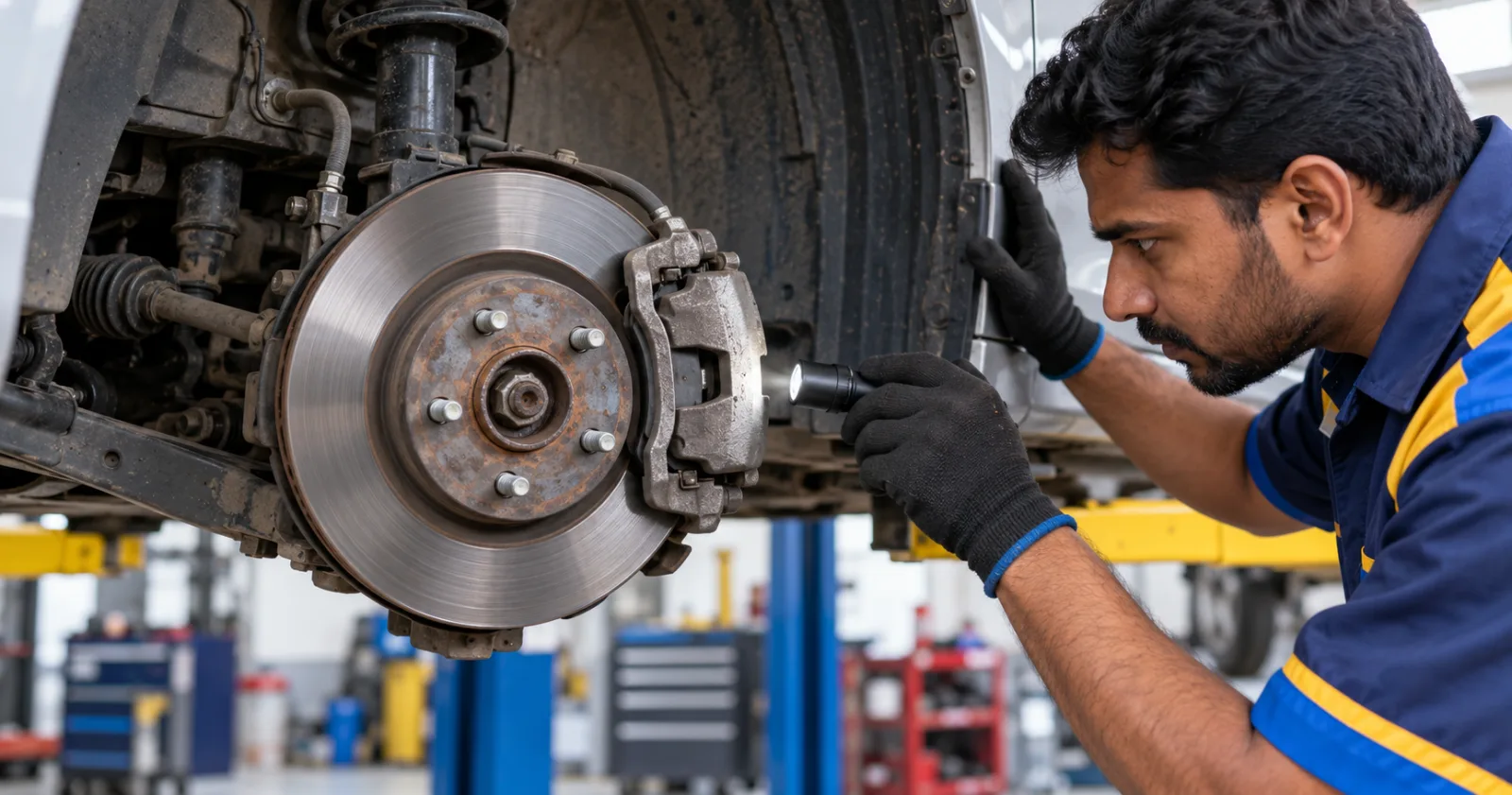
What Can Cause Car Brake Problems?
Brake issues can develop gradually through regular use. The cause depends on the symptom and the condition of the individual components.
Worn Brake Pads
Brake pads gradually wear as they are used. Once they become too thin, braking performance can be affected and the pads may need replacement.
Worn or Damaged Brake Discs
Brake discs can develop wear or other problems over time. If you experience vibration, unusual noises or changes in braking performance, the discs may need inspection.
Low or Contaminated Brake Fluid
Brake fluid plays an important role in transferring pressure through the braking system. Low or contaminated fluid can affect braking performance and should be checked as part of regular maintenance.
Brake Caliper Problems
Brake calipers apply pressure to the brake pads. A faulty or sticking caliper can affect braking and may cause uneven wear.
How Often Should You Check Your Brakes?
Brake inspection should form part of routine vehicle maintenance. The appropriate inspection and replacement intervals depend on the vehicle, driving conditions and manufacturer's recommendations.
You should arrange an inspection sooner if you notice changes in braking performance, unusual sounds, vibrations or warning lights.
What Should You Tell the Mechanic?
Describe exactly what you have noticed. Mention whether the noise occurs during light or hard braking, whether the pedal feels different, or whether the car pulls or vibrates while stopping.
Providing these details can help the technician understand the symptoms and identify which components need closer inspection.
How Repair It Can Help With Brake Service
Repair It connects vehicle owners with verified garages where they can explore available services and book a suitable appointment.
If your car needs brake inspection, brake pad replacement, disc-related work or another braking service, you can use Repair It to discover garages offering the required service.
Depending on the service and location, Repair It also supports vehicle pickup and doorstep drop. The service journey can include OTP-based handover, vehicle health checks with photos and videos, service updates, payment and digital invoicing.
When Should You Get Your Brakes Checked?
Get your brakes inspected if you notice:
Squealing or grinding soundsA soft or unusually hard brake pedalLonger stopping distancesPulling while brakingSteering wheel vibrationBrake warning lightsUneven brake performance
Addressing these symptoms early can help identify worn or faulty components before they affect your driving experience further.
Worn Brake Pads
Brake pads gradually wear as they are used. Once they become too thin, braking performance can be affected and the pads may need replacement.
Worn or Damaged Brake Discs
Brake discs can develop wear or other problems over time. If you experience vibration, unusual noises or changes in braking performance, the discs may need inspection.
Low or Contaminated Brake Fluid
Brake fluid plays an important role in transferring pressure through the braking system. Low or contaminated fluid can affect braking performance and should be checked as part of regular maintenance.
Brake Caliper Problems
Brake calipers apply pressure to the brake pads. A faulty or sticking caliper can affect braking and may cause uneven wear.
How Often Should You Check Your Brakes?
Brake inspection should form part of routine vehicle maintenance. The appropriate inspection and replacement intervals depend on the vehicle, driving conditions and manufacturer's recommendations.
You should arrange an inspection sooner if you notice changes in braking performance, unusual sounds, vibrations or warning lights.
What Should You Tell the Mechanic?
Describe exactly what you have noticed. Mention whether the noise occurs during light or hard braking, whether the pedal feels different, or whether the car pulls or vibrates while stopping.
Providing these details can help the technician understand the symptoms and identify which components need closer inspection.
How Repair It Can Help With Brake Service
Repair It connects vehicle owners with verified garages where they can explore available services and book a suitable appointment.
If your car needs brake inspection, brake pad replacement, disc-related work or another braking service, you can use Repair It to discover garages offering the required service.
Depending on the service and location, Repair It also supports vehicle pickup and doorstep drop. The service journey can include OTP-based handover, vehicle health checks with photos and videos, service updates, payment and digital invoicing.
When Should You Get Your Brakes Checked?
Get your brakes inspected if you notice:
Squealing or grinding soundsA soft or unusually hard brake pedalLonger stopping distancesPulling while brakingSteering wheel vibrationBrake warning lightsUneven brake performance
Addressing these symptoms early can help identify worn or faulty components before they affect your driving experience further.
FAQ
1. What are the signs of bad brakes?
Common signs include unusual brake noises, a soft pedal, vibrations, pulling while braking, changes in stopping performance and brake warning lights.
2. Why do my brakes make a squealing sound?
Squealing can be caused by worn brake pads, but other brake components or conditions can also produce noise. An inspection can identify the cause.
3. Why does my car vibrate when I brake?
Brake vibration can be associated with brake discs or other components. If it occurs repeatedly, the braking system should be inspected.
4. Why does my car pull to one side when braking?
Pulling can have several causes, including uneven braking, brake component issues, tyre problems, suspension issues or wheel alignment.
5. How often should car brakes be serviced?
Brake inspection should be part of regular vehicle maintenance. The required interval varies according to the vehicle, usage and manufacturer's recommendations.
7. Does Repair It offer pickup and drop?
Pickup and doorstep drop are available for applicable services and service areas.